

Heraldry: The Matterhorn Bobsleds
Adorning the entrance of the Matterhorn Bobsleds at Disneyland is an impressive display of heraldry that immediately catches the eye of guests. Prominently featured is the Swiss coat of arms, a symbol consisting of a white cross on a red field, which is accompanied by 18 additional coats of arms. These additional symbols are in fact a selection of the arms of the Swiss cantons, each representing a different region within Switzerland.
The large Swiss coat of arms has as its blazon “Gules, a Cross couped Argent”, which in plain English just means that there’s a white cross on a red field.

Over the following pages, you’ll find an overview of all the depicted coats of arms, ordered by the numbering you can find on the schematic overview.
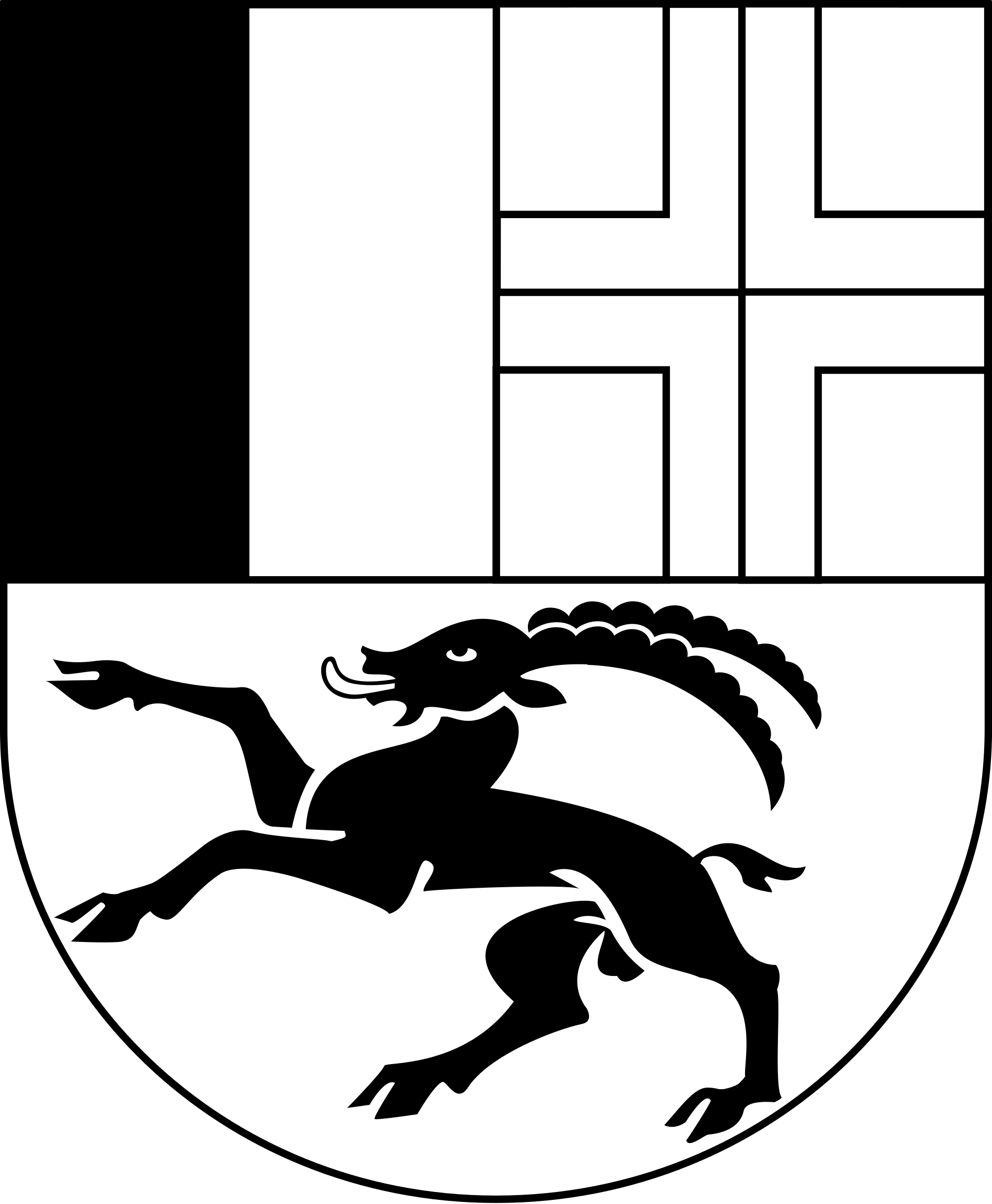 |
1. Grisons Blazon: “Per fess and in chief per pale: first per pale sable and argent; second quarterly azure and or, a cross counterchanged; third argent, an ibex rampant sable langued gules.” Translated: The top of the shield is divided into two parts: the left part has two vertical bars in black and white. The right part a quartered golden cross on a blue field, which is then reversed in color in the opposite quarters. The bottom of the shield has a black mountain goat with a red tongue. |
|
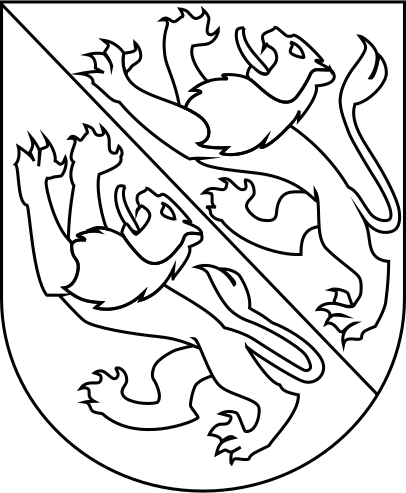
2. Thurgau Blazon: “Per bend argent and vert, two lions passant bendways or langued gules.” Translated: The shield is diagonally divided, with the top part in silver and the bottom in green. Both sections have a golden lion with a red tongue. |
|
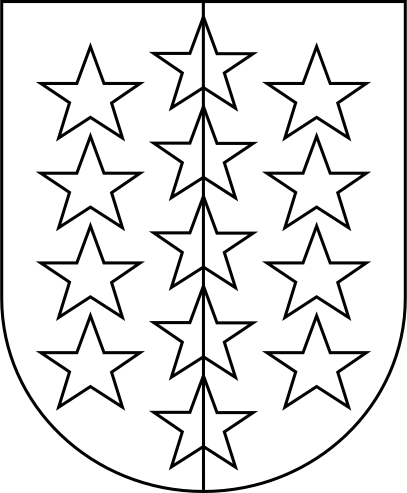
3. Valais Blazon: “Per pale argent and gules, thirteen stars counterchanged.” Translated: The shield has thirteen stars. The left half has these in red on a silver field, while the right half inverses these colors. |
|
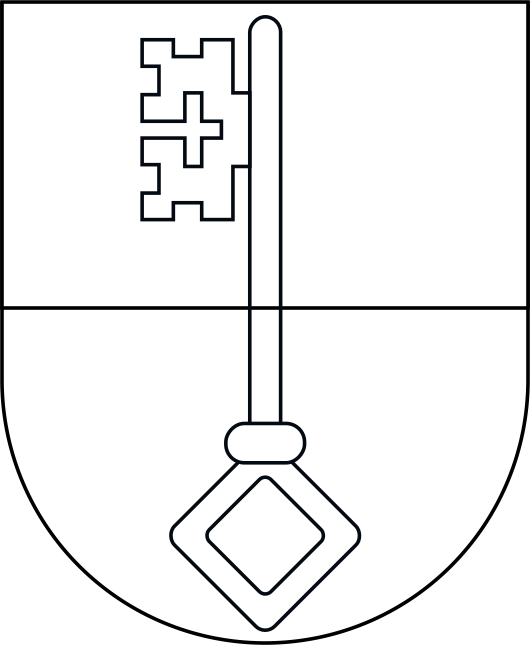
4. Obwalden Blazon: “Per fess gules and argent, a key paleways counterchanged.” Translated: The shield bears a key. The top half colors it in red on a silver field, while the bottom half inverses these colors. |
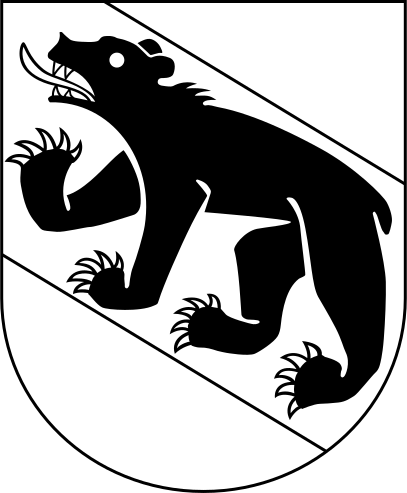 |
5. Bern Blazon: “Gules, on a bend or a bear passant sable armed and langued of the field.” Translated: A golden diagonal band on a red field. On the band there’s a black bear with red claws and tongue. |
|
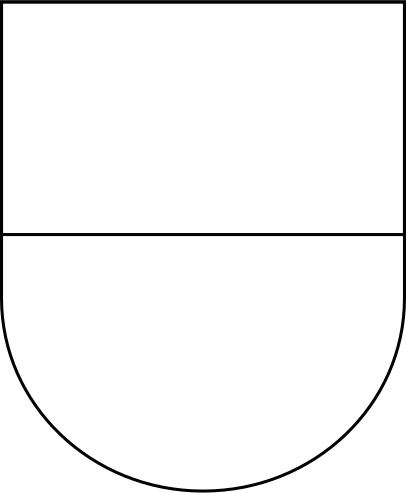
6. Ticino Blazon: “Per fess gules and azure.” Translated: The field is horizontally divided into two. The top is red and the bottom is blue. This is how the flag is depicted. The actual arms divide the field vertically. |
|
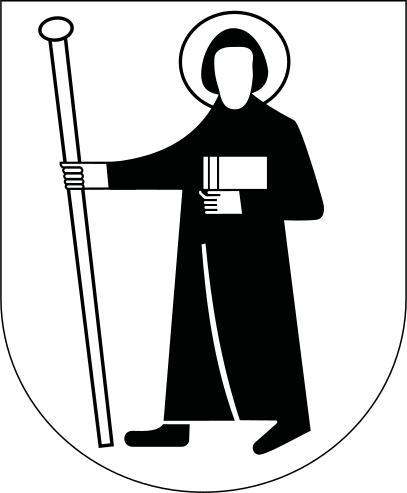
7. Glarus Blazon: “Gules, a pilgrim walking towards the dexter argent, habited sable, holding in his dexter hand a staff, in his sinister hand a bible, and about his head a halo, all or.” Translated: On a red field, there’s a pilgrim walking towards the left. He’s clad in black, carrying a golden book and staff, with a halo around his head. |
|
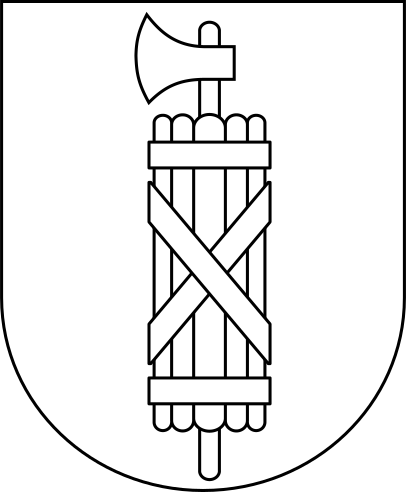
8. St. Gallen Blazon: “Vert, a fasces paleways argent banded of the field.” Translated: On a green field, a silver fasces with green bands. A fasces is an axe bundled in sticks and dates from Roman times. While it gave its name to an infamous ideology, it also symbolizes rule of law and frequently appears in American monuments and seals. |
|
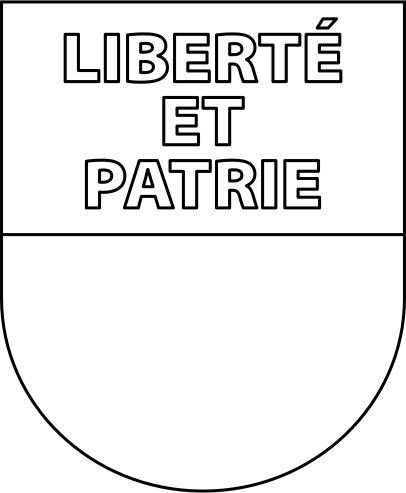
9. Vaud Blazon: “Per fess argent and vert, in chief the words Liberté et Patrie or.” Translated: The shield is divided horizontally in white and green. The words ‘Liberté et Patrie’ are written in gold on the top white part. This is French for ‘Liberty and Fatherland’. |
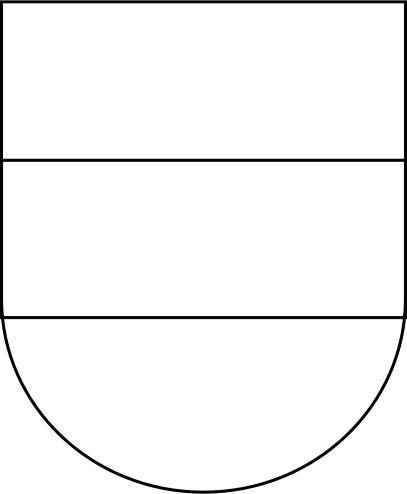 |
10. Zug Blazon: “Argent, a fess azure.” Translated: A blue horizontal band on a white field. |
|
|
11. Lucerne Blazon: “Per fess argent and azure.” Translated: The field is horizontally divided into two. The top is white and the bottom is blue. This is how the flag is depicted. The actual arms divide the field vertically. |
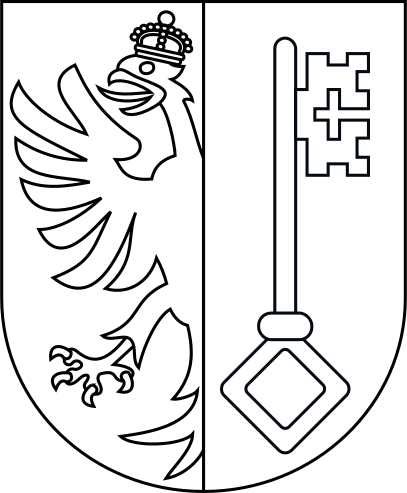 |
12. Geneva Blazon: “Per pale: first or, an eagle with two heads dimidiated per pale sable crowned, armed, and beaked gules; second gules, a key paleways or.” Translated: The field is vertically divided in two. In the left half there’s half of a black eagle with red beak, tongue, claws and crown on a golden field. A golden key on a red field adorns the right half |
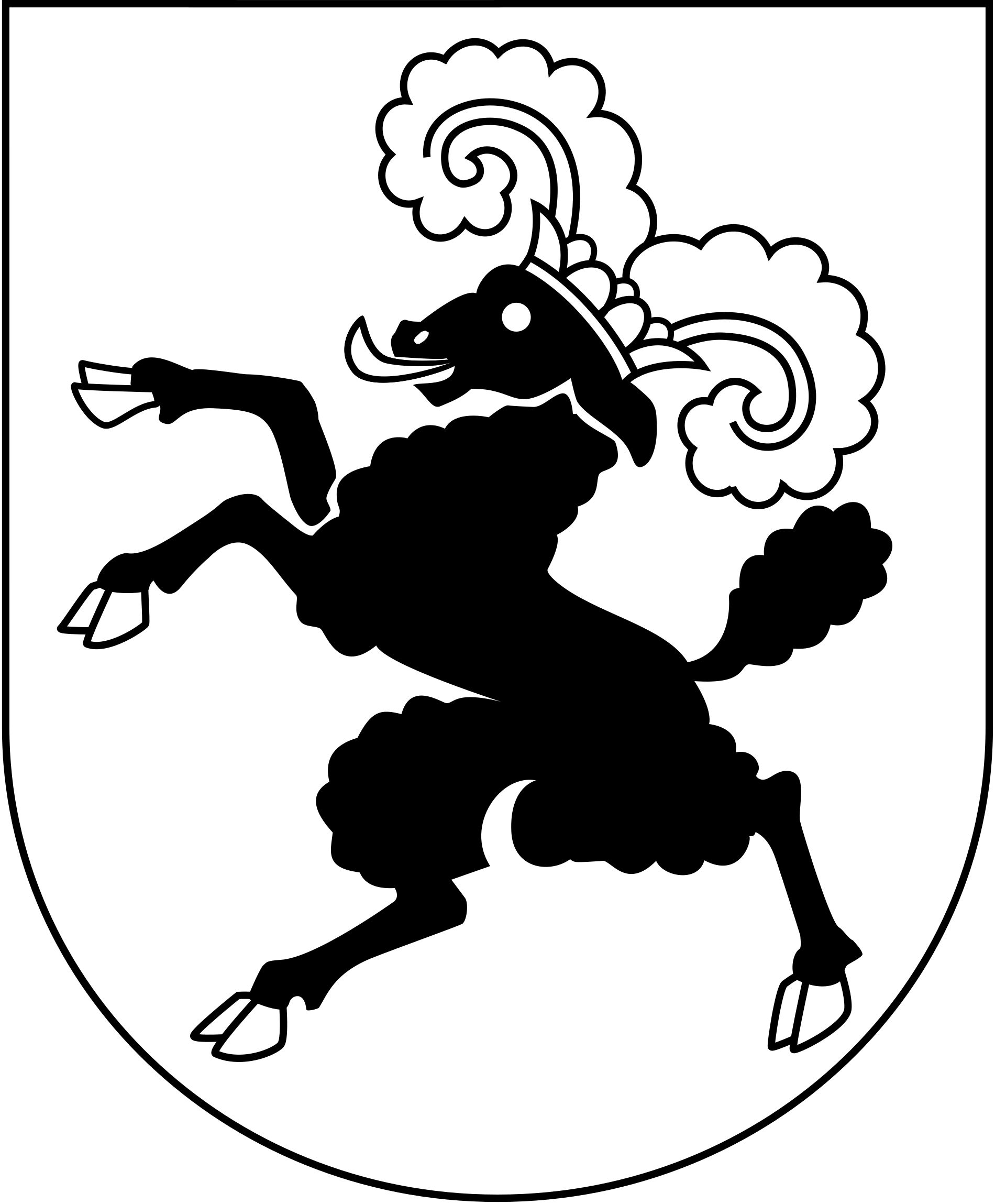 |
13. Schaffhausen Blazon: “Or, a ram salient sable horned, crowned and unguled of the field, and langued gules.” Translated: On a golden field a crowned black ram, with golden hooves and a red tongue. |
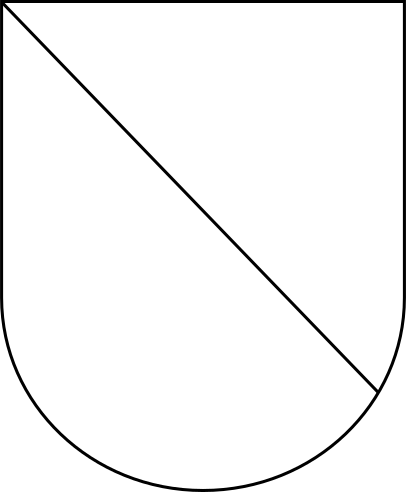
|
14. Zurich Blazon: “Per bend argent and azure.” Translated: The field is diagonally divided in white and blue. |
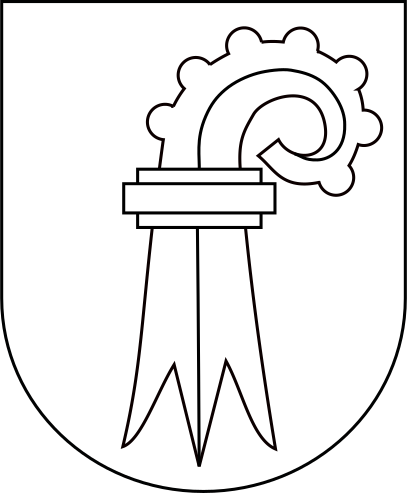
|
15. Basel-Country Blazon: “Argent, a crosier with seven crockets paleways to sinister gules.” Translated: A white field with the top of a red shepherd’s crook facing right. There are seven bulbs on the crook. |
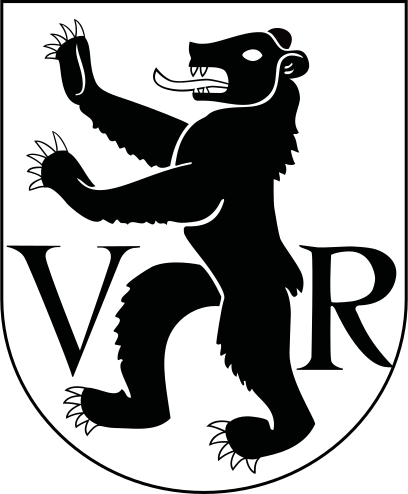 |
16. Appenzell Outer
Rhodes Blazon: “Argent, a bear rampant sable armed and langued gules, between the letters V and R sable.” Translated: A white field with a black bear. The bear has red tongue and claws, and stands between the letters V and R. The V and R refer to the Outer Rhodes, in a previous German spelling. |
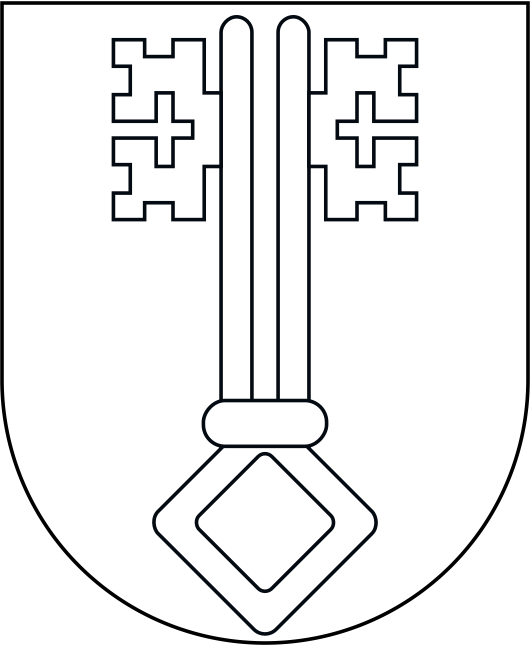
|
17. Nidwalden Blazon: “Gules, a key paleways with two shafts argent.” Translated: On a red field a golden key with two blades facing opposite directions. |
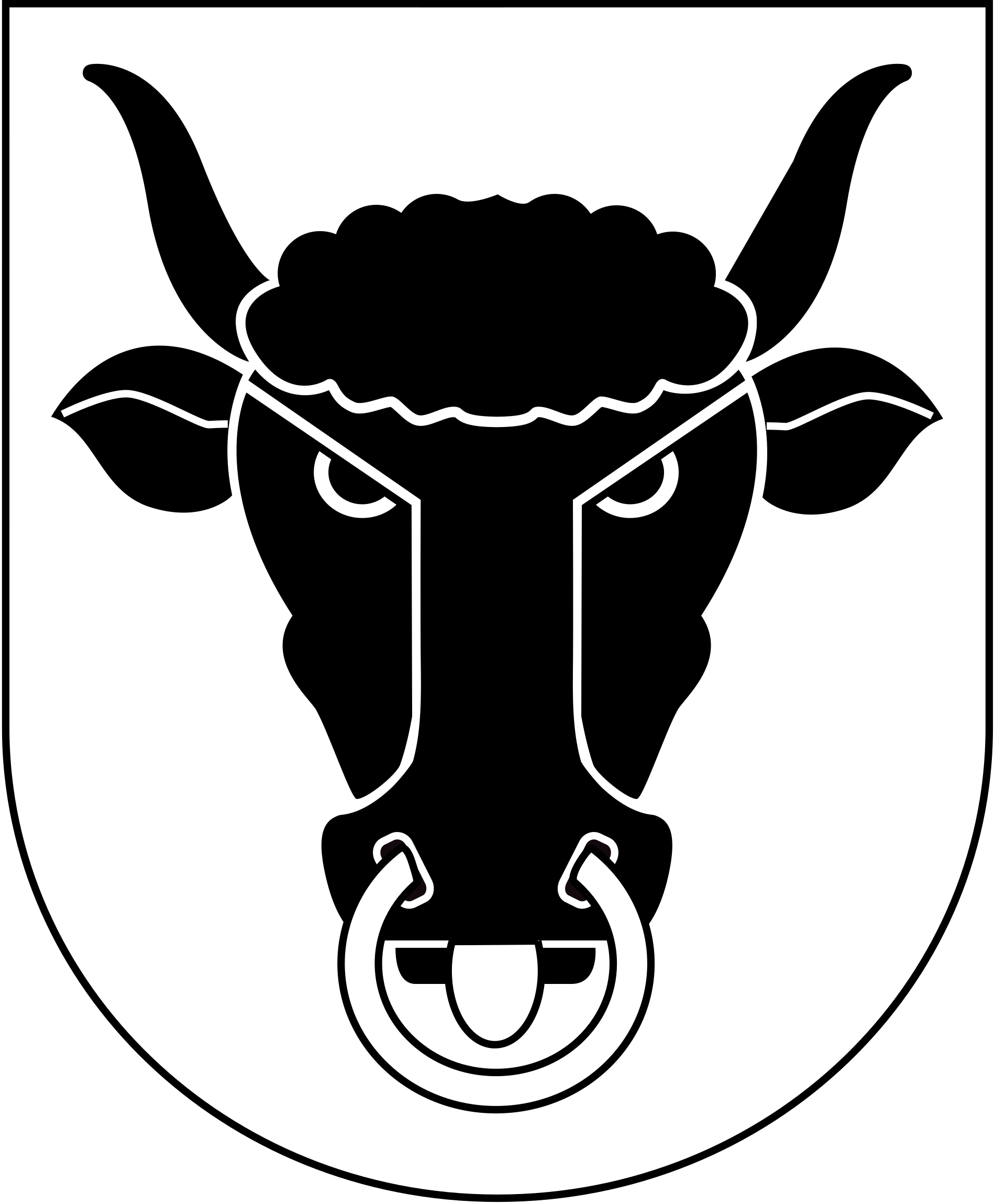 |
18. Uri Blazon: “Or, a bull’s head cabossed sable langued and nose-ringed gules.” Translated: On a golden field the frontwards-facing head of a black bull, with red tongue and nose ring. |
The remaining cantons
Switzerland has 26 cantons, so eight are missing from the entrance. Some can be found among the many flags and banners that adorn the ride.
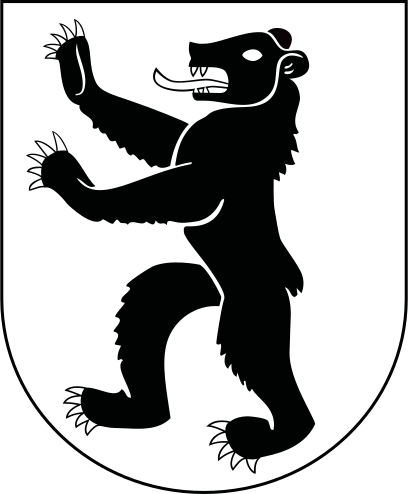 |
Appenzell Inner
Rhodes Blazon: “Argent, a bear rampant sable armed and langued gules.” Translated: A white field with a black bear. The bear has red tongue and claws. |
|
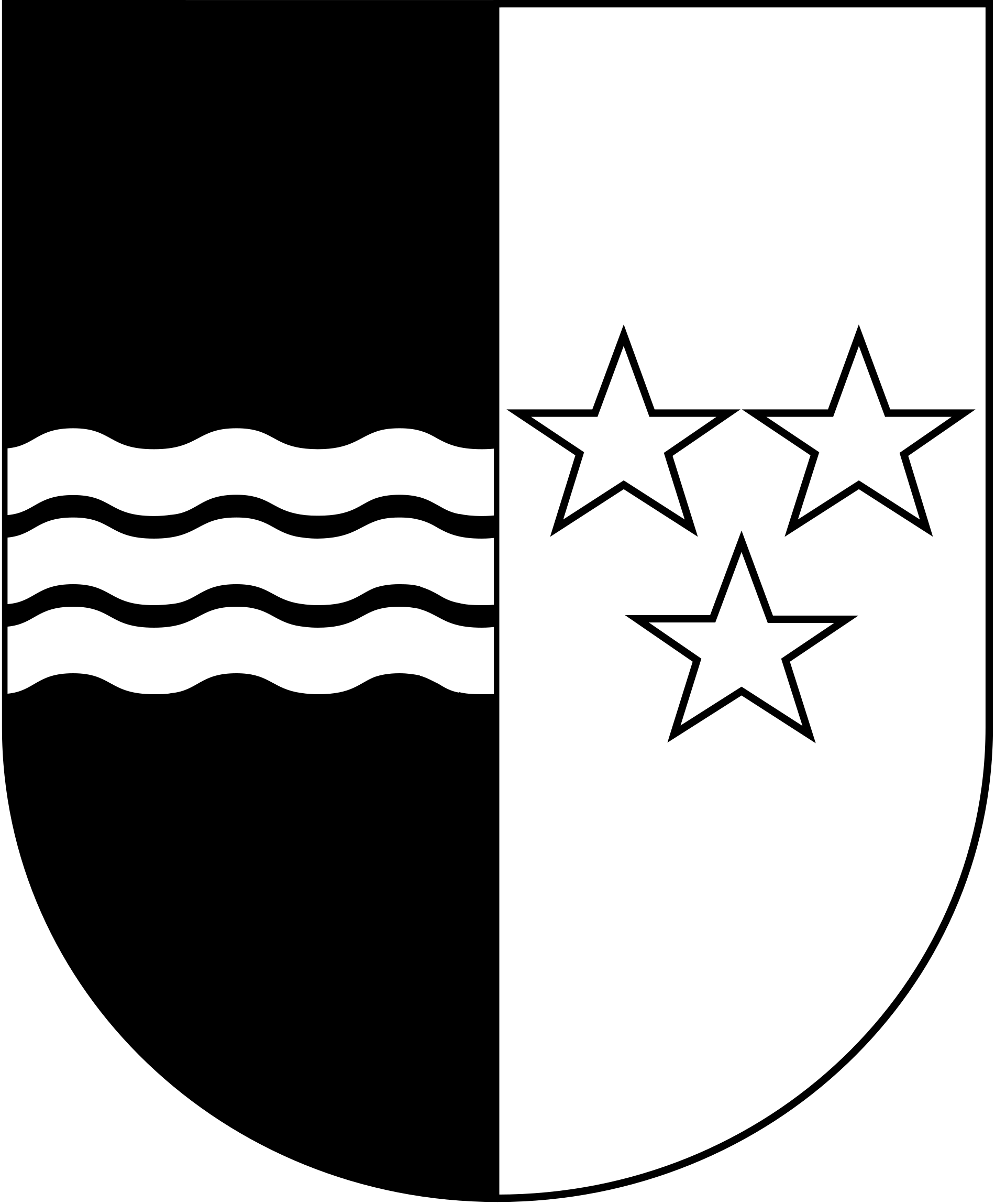
Aargau Blazon: “Per pale, the first sable, three bars wavy argent; the second azure, three stars argent.” Translated: The shield is vertically divided in two. The left half has three silver wavy bars on a black field, the right half has three silver stars on a blue field. |
|
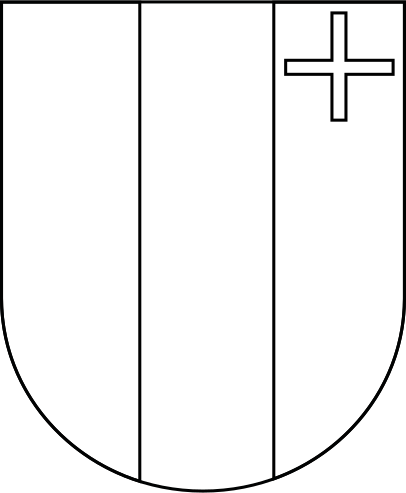
Neuchâtel Blazon: “Per pale vert and gules, a pale and in sinister chief a cross couped, both argent.” Translated: It’s the Italian flag with a thin white Swiss cross in the top right corner. |
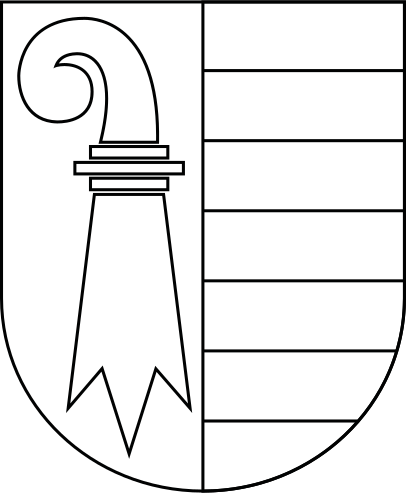 |
Jura Blazon: “Per pale: first argent, a crosier gules; second gules, three bars argent.” Translated: The shield is vertically divided in two. The left half is a white field with the top of a red shepherd’s crook facing left. The other half has three white horizontal bars on a red field. |
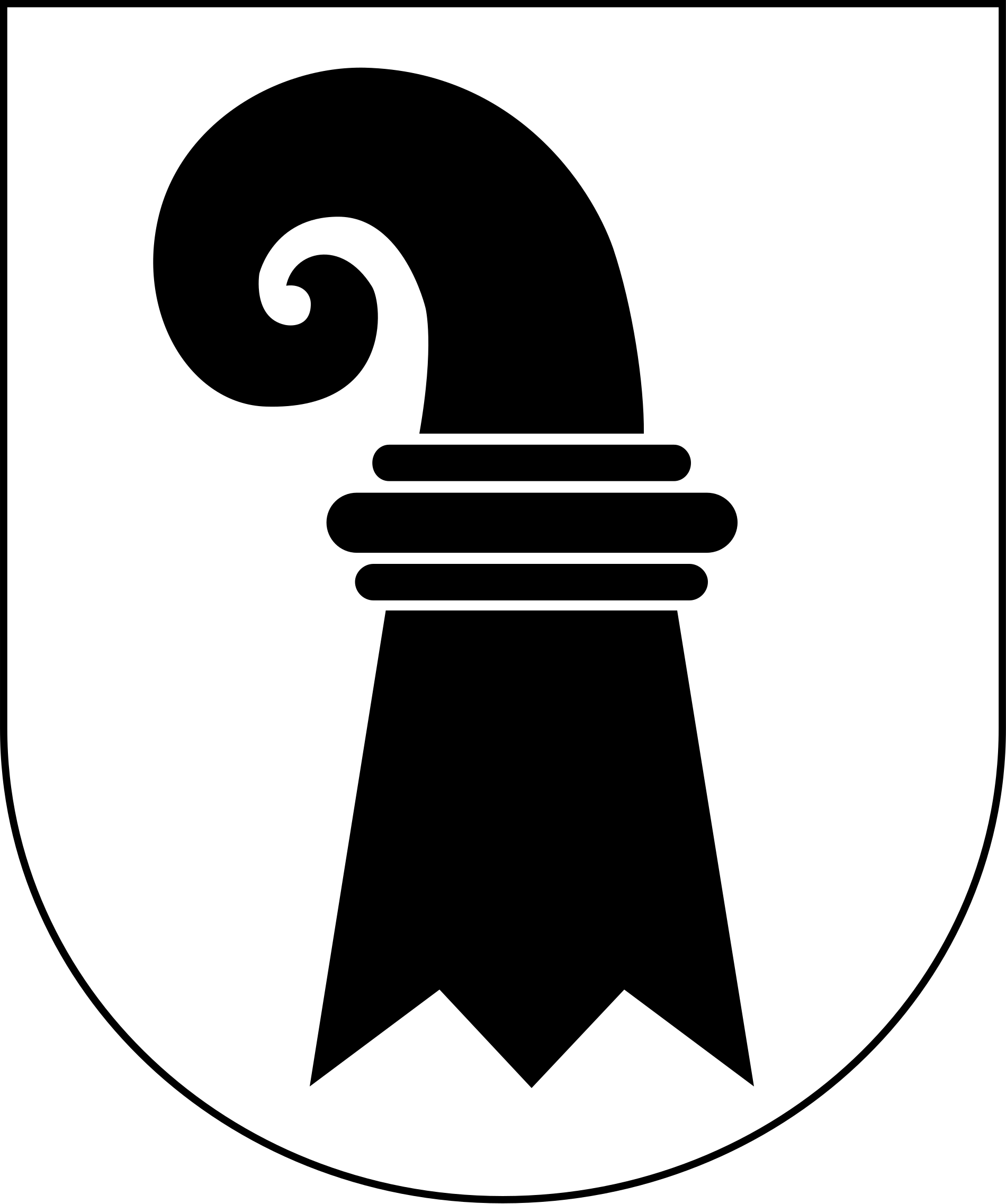 |
Basel-City Blazon: “Argent, a crosier paleways sable.” Translated: A white field with the top of a black shepherd’s crook facing left. |
|
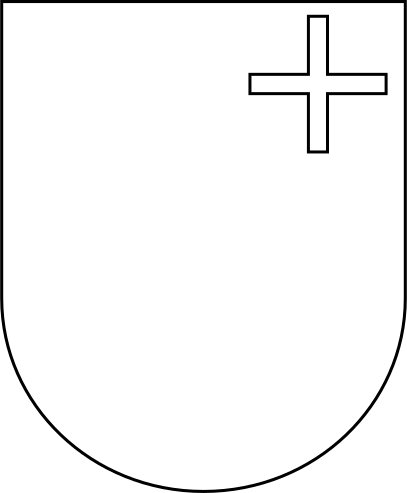
Schwyz Blazon: “Gules, in sinister chief a cross couped argent.” Translated: A red field a thin white Swiss cross in the top right corner. |
|
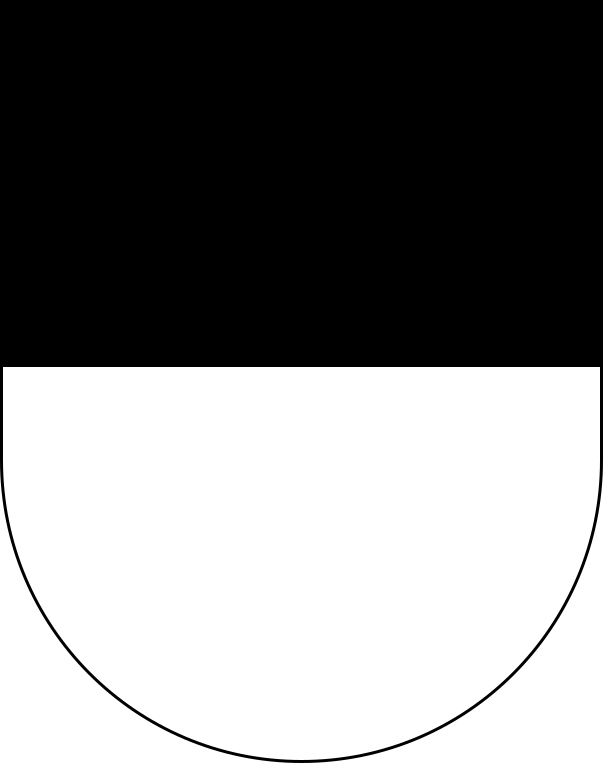
Fribourg Blazon: “Per fess sable and argent.” Translated: The field is horizontally divided into two. The top is black and the bottom is white. |
|
|
Solothurn Blazon: “Per fess gules and argent.” Translated: The field is horizontally divided into two. The top is red and the bottom is white. |
There is a final bit of Swiss heraldry in the Disney parks. Near the entrance of the Swiss Family Treehouse in Disney World, one can find a coat of arms of the Robinson family. It is derived from the arms of Bern described earlier.
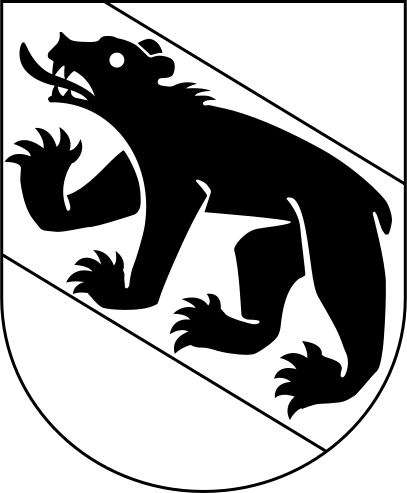 |
Robinson Family Blazon: “Gules, on a bend Argent a bear passant sable.” Translated: A silver diagonal band on a red field. On the band there’s a black bear. |